BlogChange is Good: Buil...
Change is Good: Building a Culture That Welcomes the Unknown
Introduction
“Change is good. And you never know exactly what to expect, but if you go with the right attitude into that, then everything will be fine.”
Jurgen Klopp will live forever! At least to every Liverpool FC supporter. He's one of the most integral and significant figures in the clubs modern history, and it's not even because he delivered the trophies he promised. He reshaped the clubs entire identity, turning us from doubters to believers. With charisma and authenticity, he became a symbol of hope and pride for the club and city, so much so that he was awarded the Freedom of the City of Liverpool, a rare honor for a foreign national.
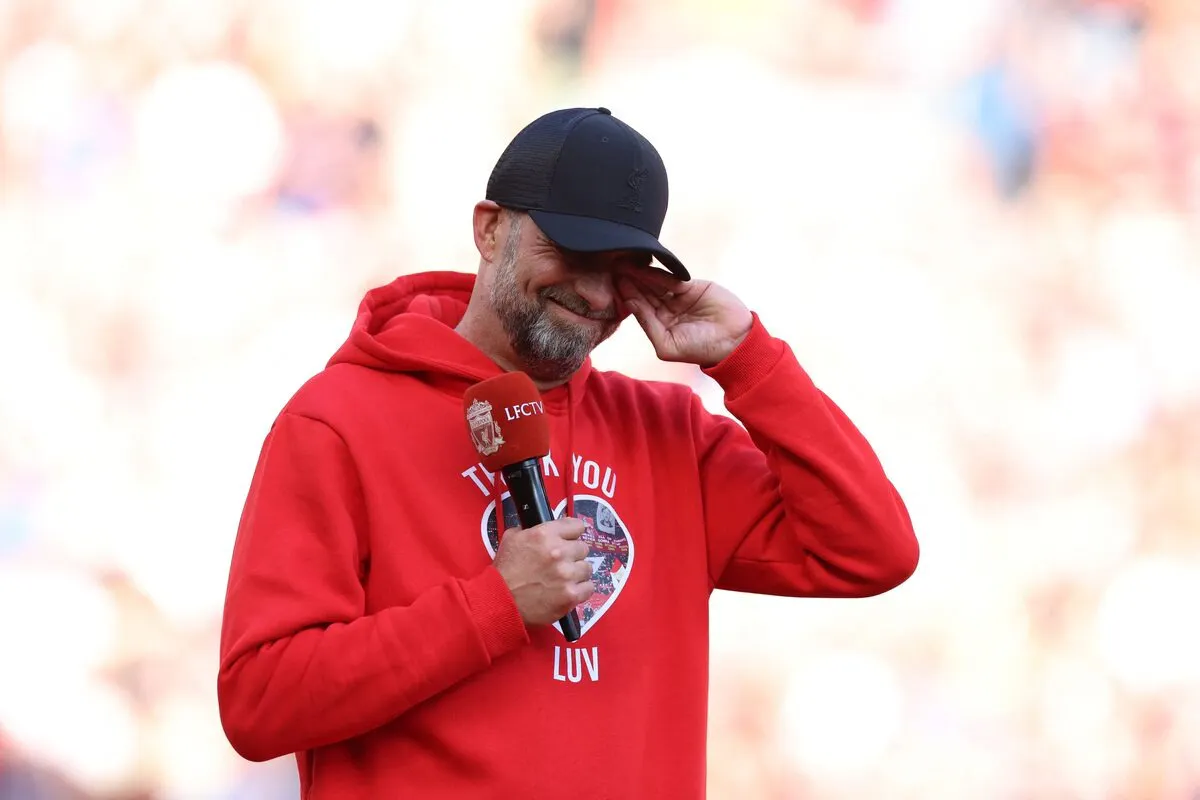
The news of him announcing his departure at the end of the 2023/24 season came as a heavy shock to every supporter, but when he said goodbye to Liverpool in May 2024, his parting words carried a lesson that stretched far beyond football.
“Change is good. And you never know exactly what to expect, but if you go with the right attitude into that, then everything will be fine.”
It was the end of an era. His departure was a moment of uncertainty, but also of possibility. And that’s exactly the point he made: the way we approach change determines whether it feels like a threat or an opportunity.
Organizations face the same challenge. Markets shift, leadership changes, technologies disrupt, and industries evolve. In these moments, the strength of an organization doesn’t lie only in strategy or structure, it lies in culture. Culture sets the emotional tone for how people respond to change, and as Klopp reminded us, a positive mindset can turn the unknown into something extraordinary.
Understanding Change in Organizations
Change is the one constant every organization faces. In football, it can come through new managers, fresh tactics, or a shift in ownership. In business, it shows up as market disruptions, new technologies, or leadership transitions. Whatever form it takes, change always stirs the same emotions: uncertainty, fear, and even resistance.
Why? Because change threatens comfort. People naturally hold on to what’s familiar, even if it no longer serves them. Liverpool fans knew what Klopp brought: stability, identity, belief. The thought of moving into an unknown future without him was unsettling. It’s no different in organizations: employees worry about losing roles, influence, or clarity when change arrives.
But here’s the truth Klopp reminded us of: change itself isn’t the problem, our mindset towards it is. This is where organizational culture makes all the difference. A healthy culture can turn change into a launchpad for growth and innovation. A weak culture, on the other hand, magnifies fear and fuels resistance.
The Role of Organizational Culture in Navigating Change
At the core, organizational culture is simply “the way we do things here.” It’s the shared beliefs, values, and attitudes that shape how people respond when challenges arise. In times of change, culture becomes the invisible hand guiding whether people dig in their heels or lean forward with curiosity.
Klopp understood this intuitively. From his very first press conference at Liverpool, he spoke not only about tactics but about belief. He wasn’t just building a team, he was shaping a culture. One that embraced hard work, resilience, and above all, trust in the journey. That culture transformed a club that had grown used to disappointment into one that expected and eventually achieved greatness.
The same applies in business. When a company’s culture frames change as disruption, people retreat into fear and resistance. But when the culture frames change as opportunity, it sparks innovation, collaboration, and growth. Culture doesn’t eliminate uncertainty but it gives people the confidence to step into it with a positive mindset.
Lessons from Klopp: Leadership, Mindset, and Transition
Jürgen Klopp’s leadership was never just about winning matches. It was about how he carried himself, how he spoke to his players, and how he connected with us, the fans. He made people believe. When results didn’t go their way in the early years, he didn’t hide from it, he reframed the setbacks as part of the journey. That attitude seeped into the team and eventually into the culture of the entire club.
This is the essence of leadership during change: how you frame the moment shapes how people experience it. Klopp turned departures, defeats, and even his own farewell into opportunities for growth. He didn’t deny the difficulty of change, he gave people hope in spite of it.
We see the same pattern in business. Companies like Netflix thrived because they embraced transformation. Moving from DVDs to streaming to producing their own content. Contrast that with Kodak, which clung to the old model despite inventing digital photography, and collapsed under its own resistance to change. The lesson is clear: leaders who approach change with vision and optimism pull people forward and those who resist or fear it drag their organizations backward.
Klopp modeled this truth on one of the biggest stages in the world. His message (that attitude matters more than certainty) is as relevant in the boardroom as it is on the touchline.
Practical Takeaways for Leaders & Organizations
So what can leaders take from Klopp’s farewell message and apply in their own organizations? A few key lessons stand out:
- Frame Change as Growth, Not Loss: People naturally fear what they might lose in a transition. Leaders must shift the narrative: what’s possible, what can be gained, what opportunities lie ahead.
- Build a Culture of Resilience: Success isn’t about avoiding setbacks but learning from them. Celebrate progress, even in small steps, and remind people that setbacks are part of the story, not the end of it.
- Model Optimism and Authenticity: Just as Klopp’s charisma and honesty won hearts, leaders must show belief in the future. Culture starts at the top. If leaders project fear, teams absorb it, if they project confidence, teams rise with them.
- Keep the Human Connection at the Center: Klopp wasn’t just a tactician; he was a connector. In organizations, change feels less threatening when people feel seen, heard, and valued. Communication and empathy are just as critical as strategy.
- Honor the Past, But Move Forward: Klopp always respected Liverpool’s history while steering it into a new chapter. Leaders should acknowledge what has been built, then invite people into the next story.
In essence, the real task of leadership in times of change is not controlling the unknown. It’s shaping the mindset with which people walk into it.
Conclusion
When Jürgen Klopp stood at Anfield and addressed the club, he wasn’t just offering comfort (because him leaving was a lot to take in) he was sharing a timeless truth about leadership.
Change is rarely easy. It disrupts routines, unsettles certainty, and demands courage. But as Klopp showed, the difference lies in culture and mindset. With the right culture, change becomes less about endings and more about new beginnings. With the right attitude, the unknown stops being something to fear and becomes something to embrace.
We can already see this truth playing out at Liverpool. Klopp’s successor, Arne Slot, stepped into one of the most daunting jobs in football, following a beloved figure who reshaped a club’s identity. Yet, instead of being crushed by the weight of expectation, he leaned into Klopp’s philosophy and delivered the club’s historic 20th league title in his very first season. That achievement alone showed that change, when embraced with courage and belief, can lead to something extraordinary. With humility, adaptability, and his own fresh ideas, Slot has shown that change, when embraced positively, can continue the story rather than end it. Now, as a new season begins, the club has faced another wave of transition: several key players have departed, and exciting new signings have arrived. Instead of crumbling under the weight of uncertainty, Liverpool has shown promising signs of adapting, blending fresh arrivals with the existing core to create a team that looks ready to build on last season’s success.
Organizations that thrive are not those that avoid change, but those that welcome it with optimism, resilience, and belief. Just as Klopp turned doubters into believers, leaders everywhere have the chance to shape cultures that see change not as a threat, but as the path to something greater.